
Dim-to-Warm: Why Luxury Hospitality Is Obsessed With Warm Dimming
Walk into a five-star hotel bar at midnight and notice the light. It is not just dim — it is warm. The glow has the amber, candlelit quality of a fireplace, not the flat gray of a standard LED turned down low. That effect has a name: dim-to-warm.
It is one of the most requested features in luxury hospitality today, and for good reason. It mimics the single most flattering light humans know — an open flame guttering low.
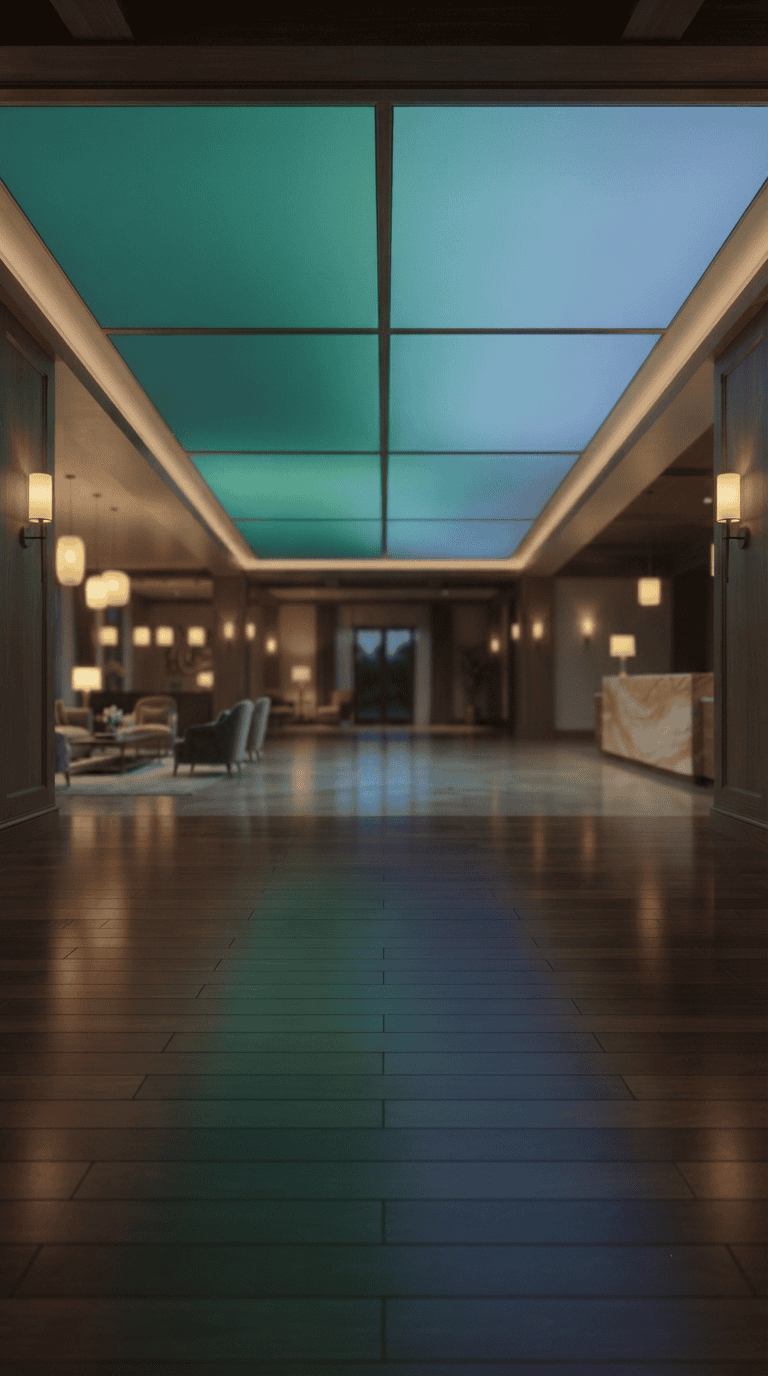
Standard dimming versus dim-to-warm
A conventional LED holds its color temperature constant as it dims. Drop it to ten percent and you get the same 3000K white, just fainter — which can read cold and clinical in an intimate setting. Dim-to-warm technology deliberately shifts the color warmer as it dims, traveling from a crisp 3000K down toward a cozy 1800K, exactly the way incandescent and candlelight behave.
Where it earns its keep
Restaurants, hotel lobbies, lounges, spas, and residential spaces — anywhere the lighting needs to transition from functional daytime to intimate evening. A backlit feature wall that is bright and welcoming at check-in becomes a warm, low glow for the late crowd, all on one dimmer, no scene programming required.
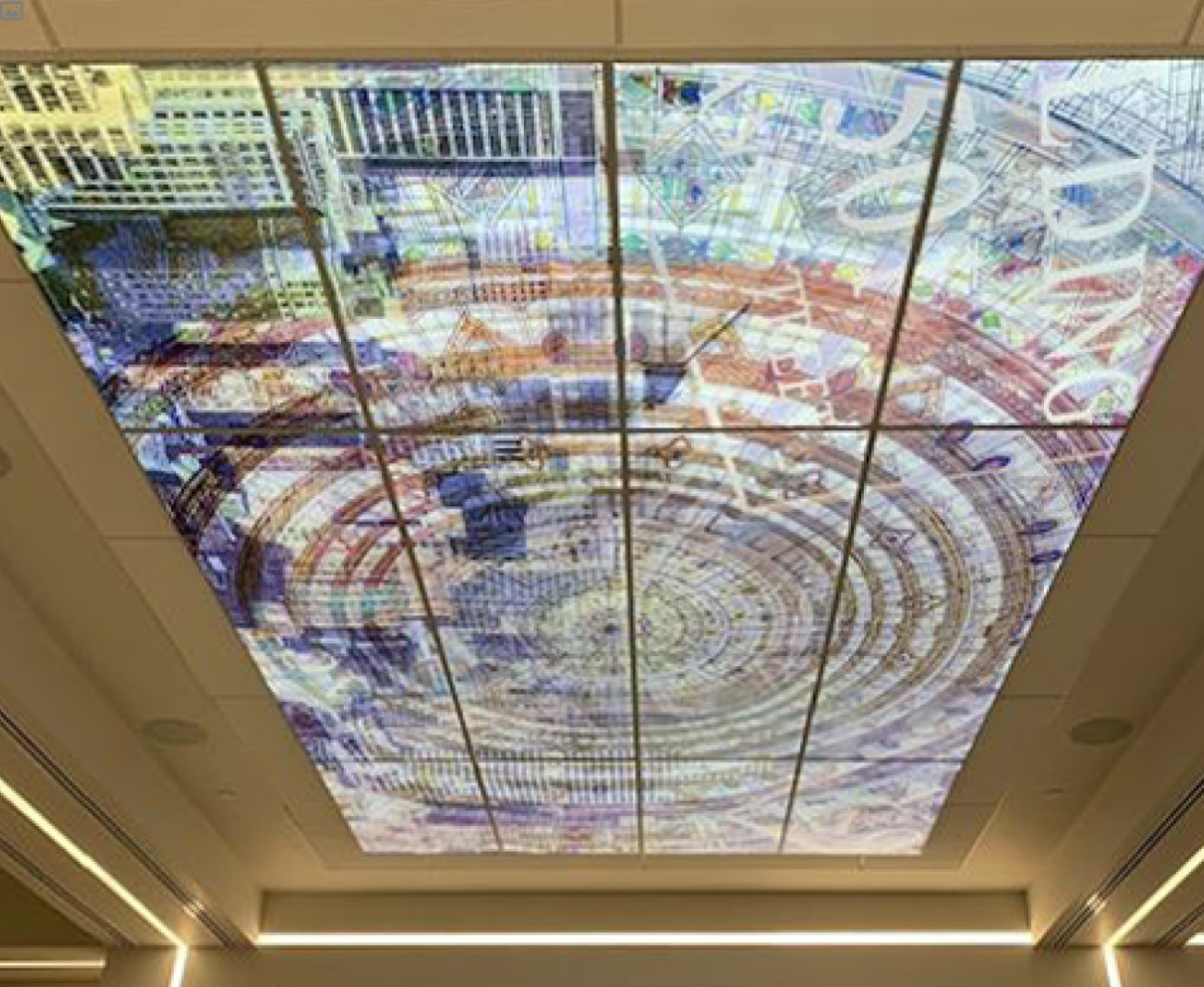
How EOS builds it in
Our Dim-to-Warm LightPanel System delivers the effect in the same ultra-thin, evenly-lit panel our clients already specify — starting around a quarter inch thin, with the warm shift built into the LED engine. It works with standard ELV and 0–10V dimmers, so there is no exotic control system to design around.
The takeaway
Guests may never know why a space feels good — but they feel it. Dim-to-warm is one of those invisible details that separates a memorable room from a forgettable one. If you are designing for atmosphere, talk to your local rep about specifying warm dimming from the start.
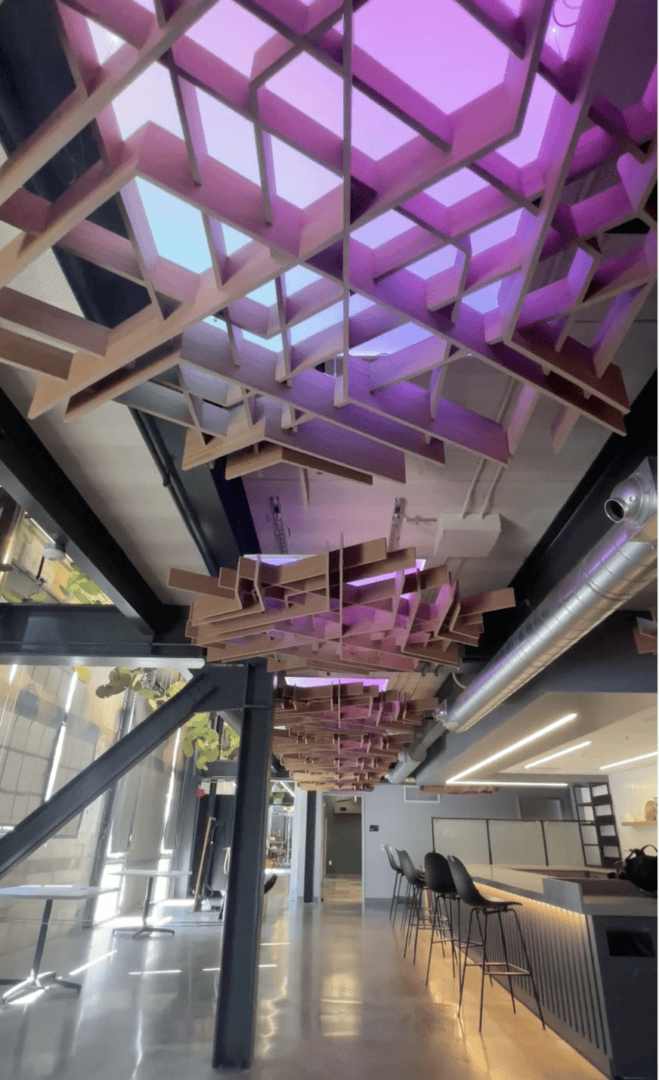
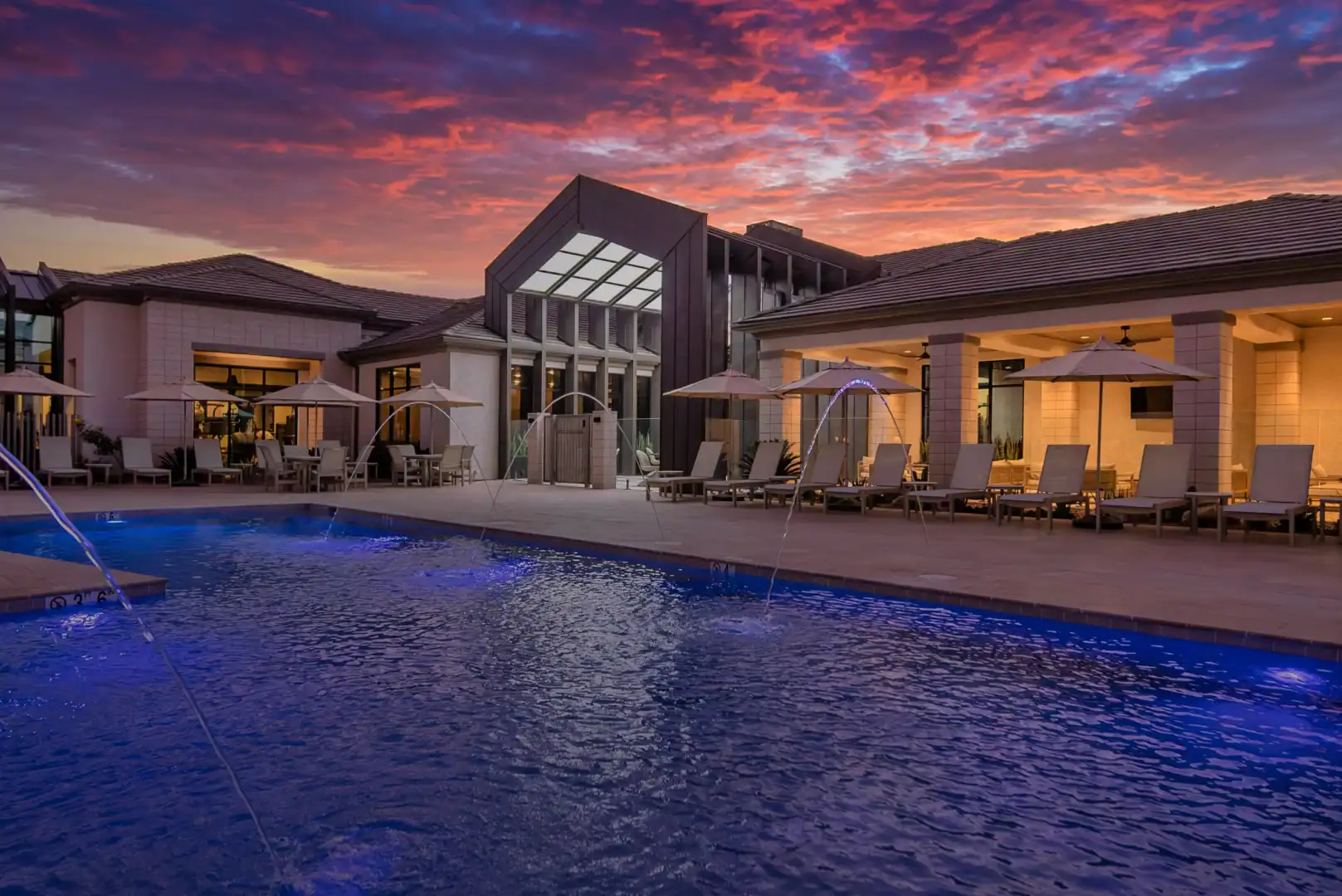
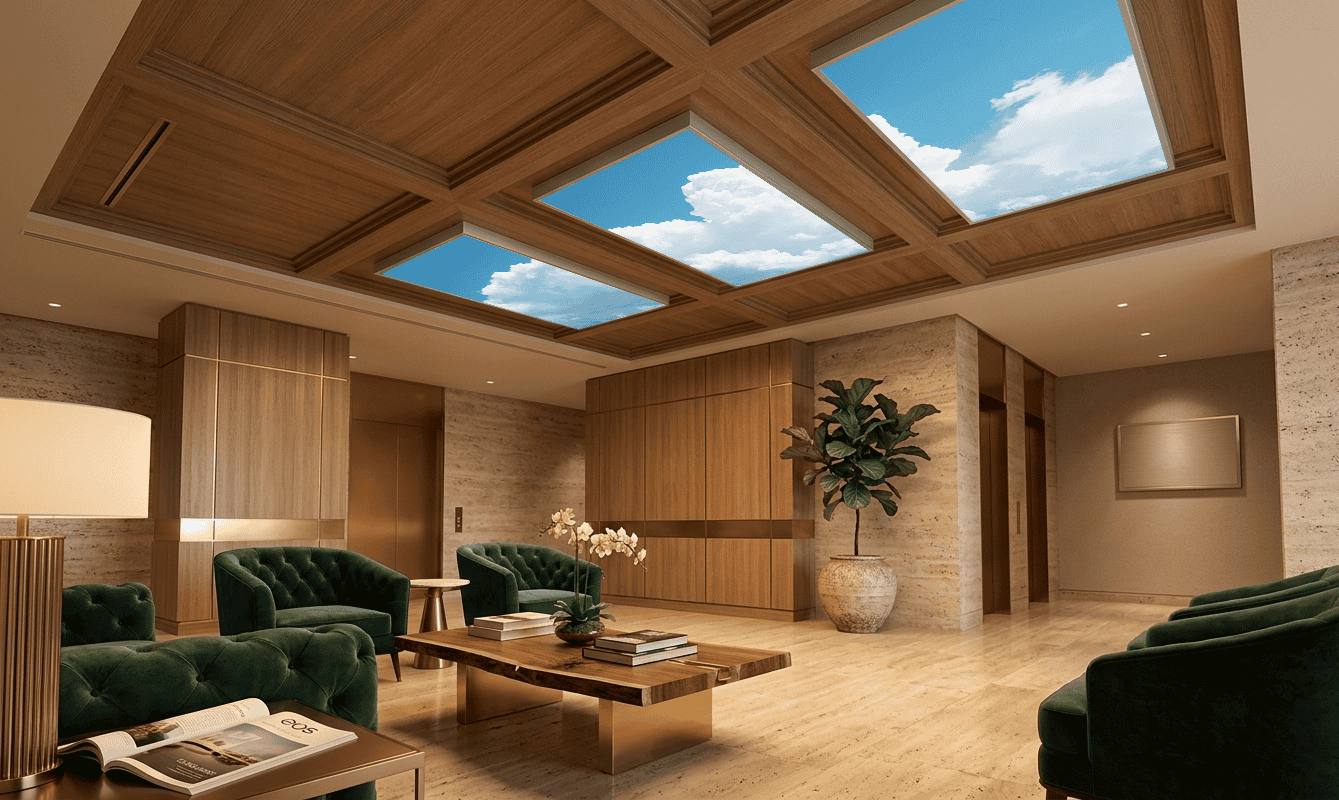
Dim-to-warm lighting shifts to a warmer color temperature as it dims, traveling from around 3000K down toward 1800K — mimicking the warm glow of incandescent bulbs and candlelight instead of staying a constant white.
Standard LED dimming lowers brightness while keeping the same color temperature, which can look cold at low levels. Dim-to-warm changes both brightness and color together, producing a cozy amber glow as it dims.
The EOS Dim-to-Warm LightPanel System works with standard ELV and 0–10V dimmers, so no specialized control system is required to achieve the warm-dimming effect.
Let's Talk About Your Project